
After parting ways with my friends from the Bangkok trip, I extended to Cambodia. There are two main objectives: to see the Angkor Wat Complex and learn about the Cambodian history, especially the Khmer Rogue era
The people of Cambodia "Khmer" are a proud populace. When asked about their identity, they often recall their golden age ~800 years ago when the Khmer empire ruled the mainland southeast asia.
Now they are seen as "underdog" where the small and less crowded country are no longer that significant. They share a common trauma, experienced not 60 years ago during the Khmer Rogue era where around 1/3 of the country's population died from mass killings, starvation, and forced labor.
The Khmer Rogue took control of Cambodia's capital, Phnom Penh, on April 17, 1975. Since then they evacuated the population to the countryside to begin the "Year Zero" program where all signs of intellectual are removed to begin fresh as nations of farmer.
As seen on the movie: The Killing Fields (1984), the Khmer rogue are heartless and paranoid group of militants, only obeying a single entity, often personalized, called the A.N.G.K.A.R which means the organization/the regime/the communist party of Cambodia.
Table of Contents
The S-21 Audio-visual tour
Story of Bophana
Cheung Ek Killing Fields
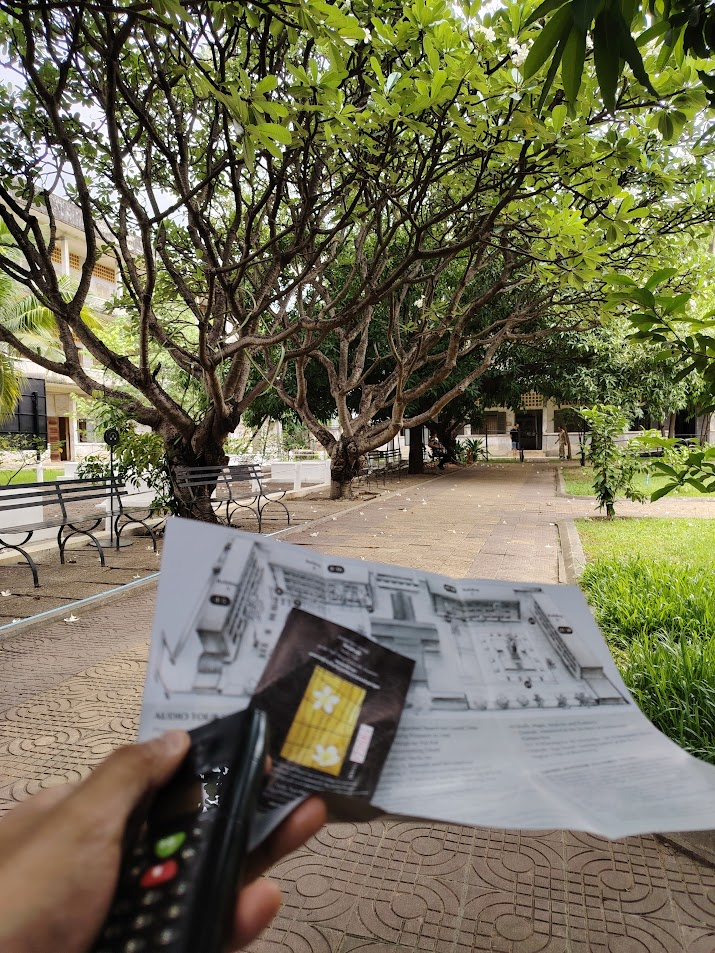
The first stop is S-24 also known as the Tuol Sleng Prison. Before Khmer Rogue, this place was a school, during the regime it became a detention center where people are tortured and forced to write confessions.
Upon entry, you have the option to pay 5 USD for entrance only equipped with map brochure or 10 USD for additional audio tour guide which is very worth the extra.
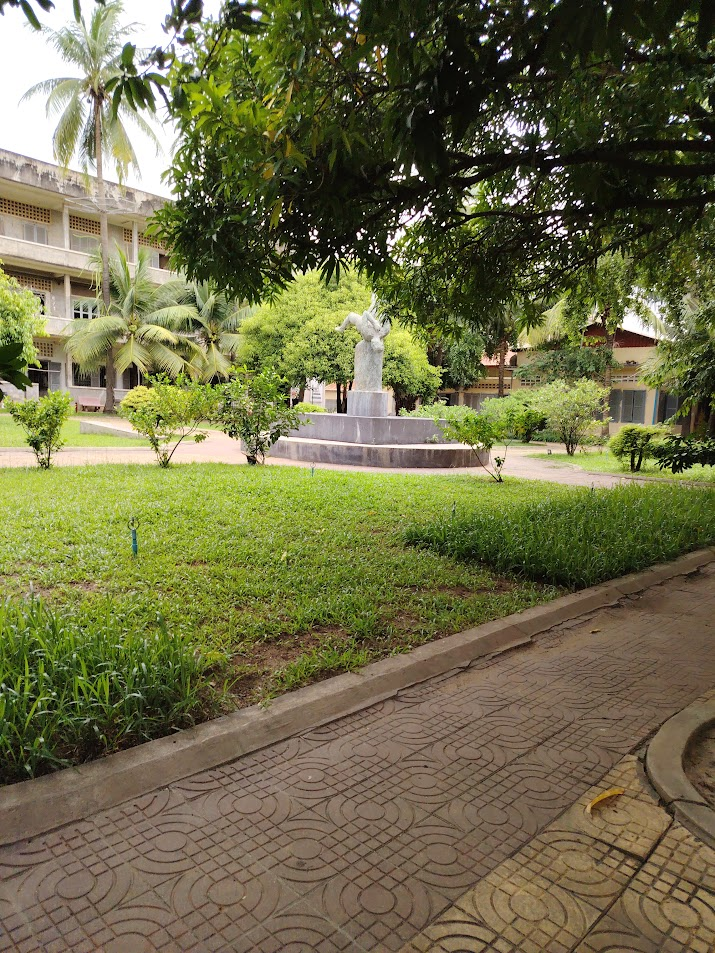
On the beginning of the audio, you are invited to absorb the energy around. You will realize it was a hot-sunny day with blue skies and chirping birds. The place while serene, hosts a morbid history.
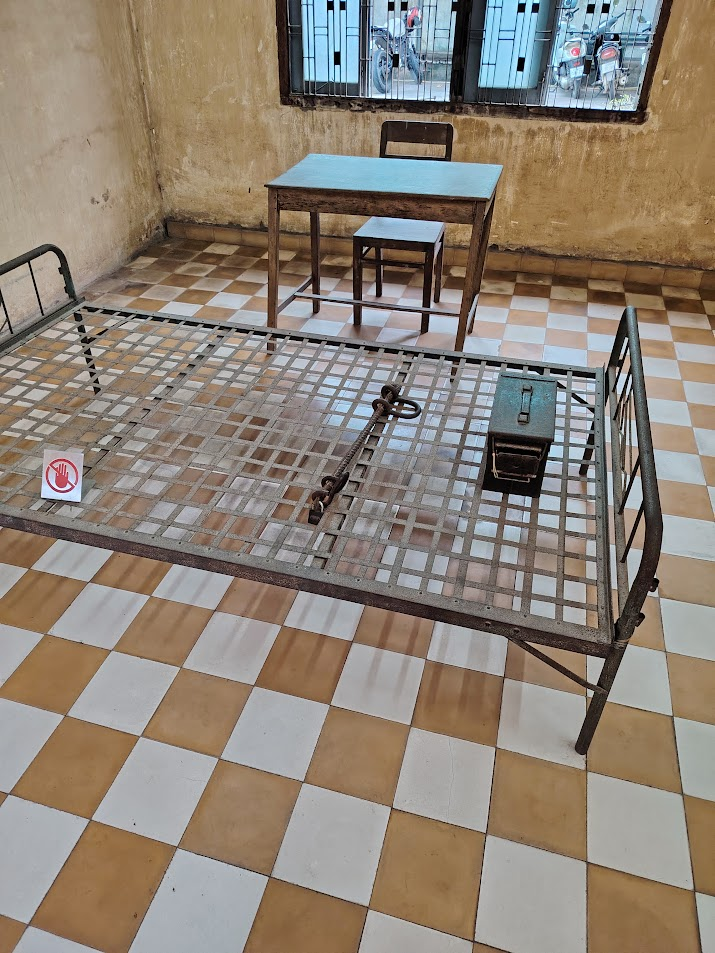
On the left is building A, where there were classrooms turned prisons often overflowing in capacity. One of the room is the torture room. There's many tortore tools on display but sadly didn't managed to take a picture. The place was not at all crowded and often times I find only by myself. The other visitors are also using the audio so there weren't much talking. Everyone else was on their own, absorbing the history.
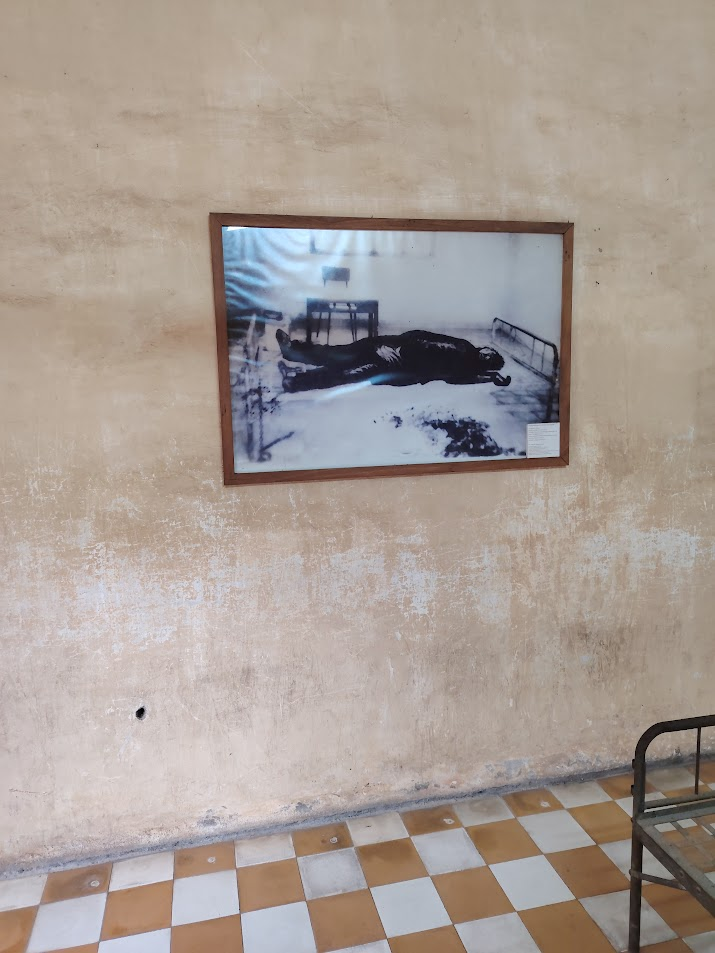 (Picture shows exactly how they find this room during the liberation of Phnom Penh)
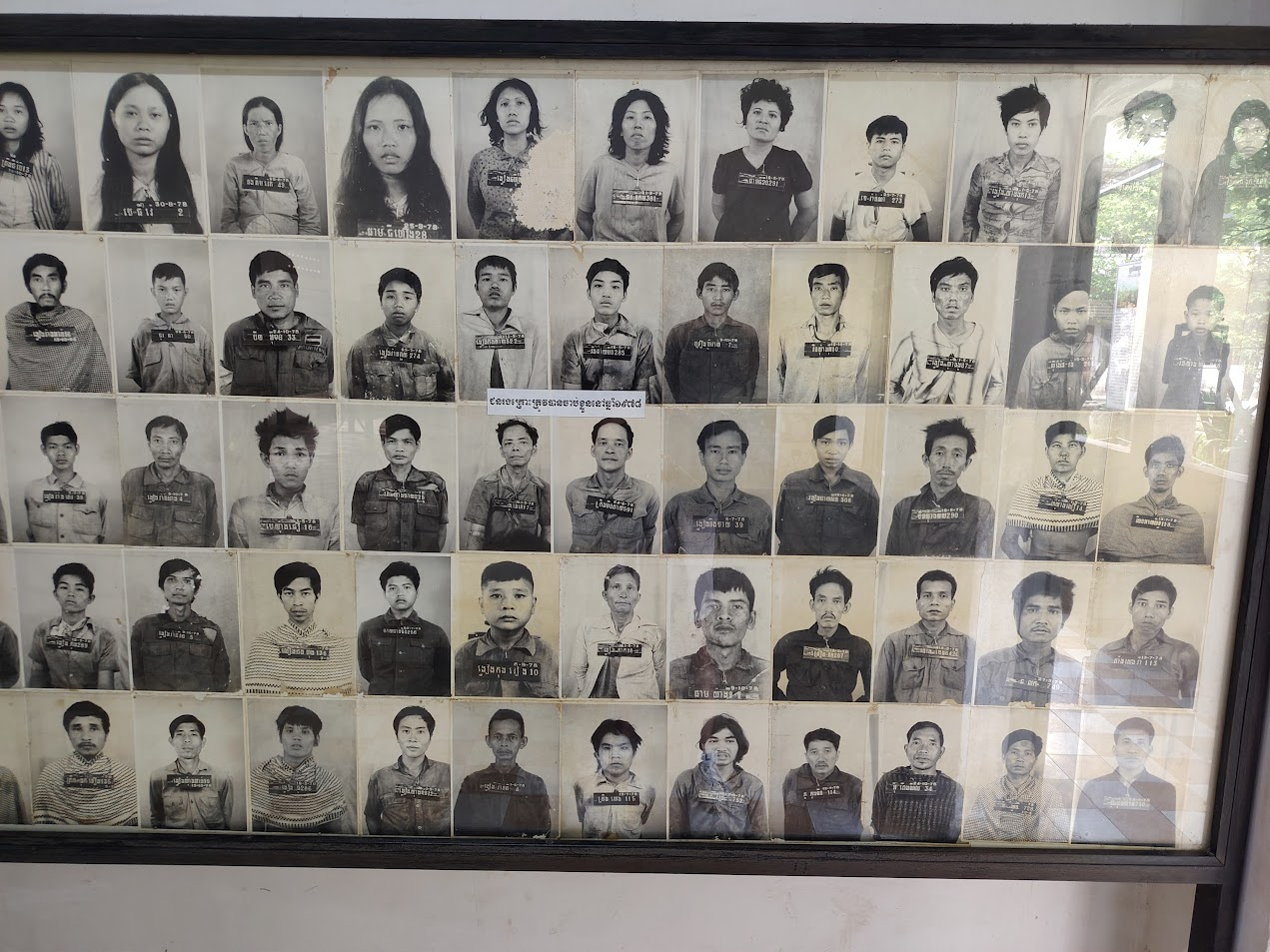
On the other building, it displays the process of registering inmate along with their daily lives. Seeing the picture here truly brings up emotional connection. The audio continues to tell stories about inmate. Some are teacher, some are former doctors and lawyers. But the most notable one is the love story of Bophana.
Hout Bophana was an educated, middle-class young woman from a rural area in northern Cambodia. She was engaged to be married to her distant cousin, Ly Sitha. This was a love match, not just an arranged marriage, and they were very much in love.
The Cambodian Civil War, with its American bombings and political instability, forced Bophana and her family to flee their village. She and Ly Sitha were separated. He became a Buddhist monk to avoid being drafted into the army, while she and her sisters moved to a provincial city.
In this new city, Bophana was raped by a soldier from the Republic of Cambodia (Lon Nol's army). She became pregnant and gave birth to a son. She left the child in the care of her younger sister.
Bophana moved to the capital, Phnom Penh, where she found work with a foreign NGO. This was a temporary reprieve, as the Khmer Rouge was quickly gaining power.
When the Khmer Rouge seized Phnom Penh in April 1975, they evacuated the entire population into the countryside. Bophana was forced to leave the city and was separated from her family. As an educated, urban woman, she was a target for persecution. She was forced into hard labor in the fields and was near starvation.
Miraculously, Bophana was reunited with her fiancé, Ly Sitha. He had joined the Khmer Rouge under the new name "Comrade Deth" and had used his position to find her. He saved her life by giving her food and medical care and telling the villagers that she was his wife. However, their relationship was forbidden by the Khmer Rouge regime, which had rejected "bourgeois" family structures and placed the revolution above all else.
Despite the grave danger, Bophana and Sitha continued their relationship, exchanging secret love letters. Sitha wrote to her in French, English, and Khmer—languages that betrayed his educated background. This act of love and defiance was a direct violation of the regime's rules.
The couple's romance was eventually discovered. Sitha was arrested for hiding his education and for prioritizing love over the revolution. He was executed. Bophana was sent to the notorious Tuol Sleng (S-21) detention center in Phnom Penh. She was subjected to months of interrogation and torture. Her confessions and love letters to Sitha were used as "evidence" against her. She was executed in 1977 at the age of 25. Her mugshot, taken at S-21, is one of the most haunting and well-known images from the genocide.
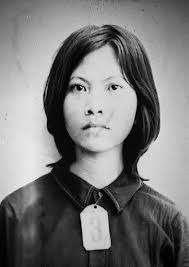
Experiencing the stories from S-21 were heartbreaking. It brings me a real emotional connection with the histroy and the audio-visual experience of the tour was a must for history lovers.
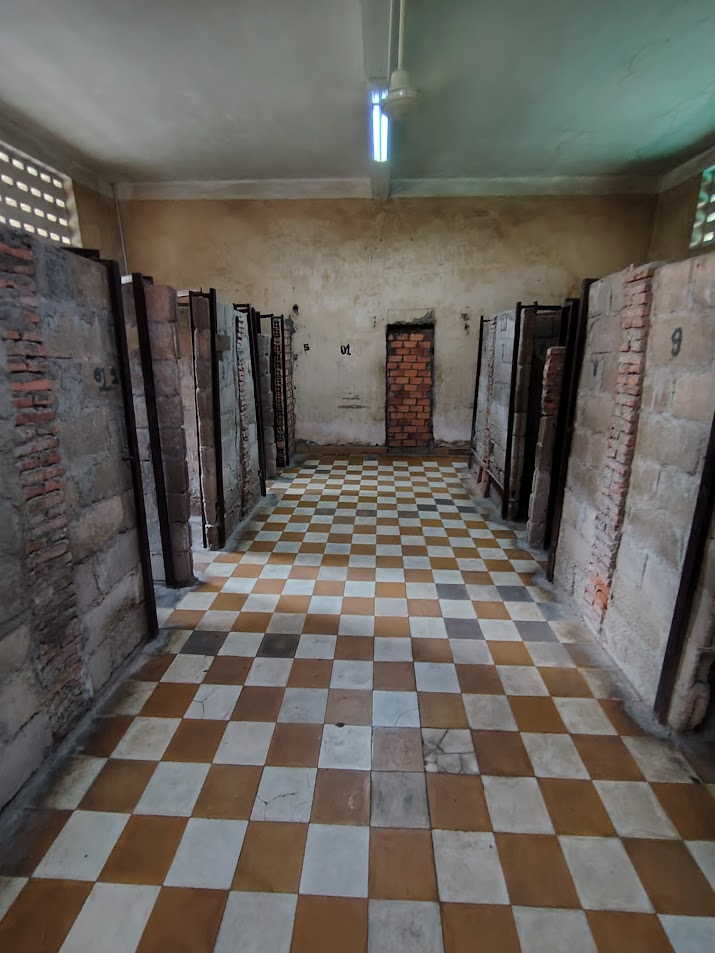
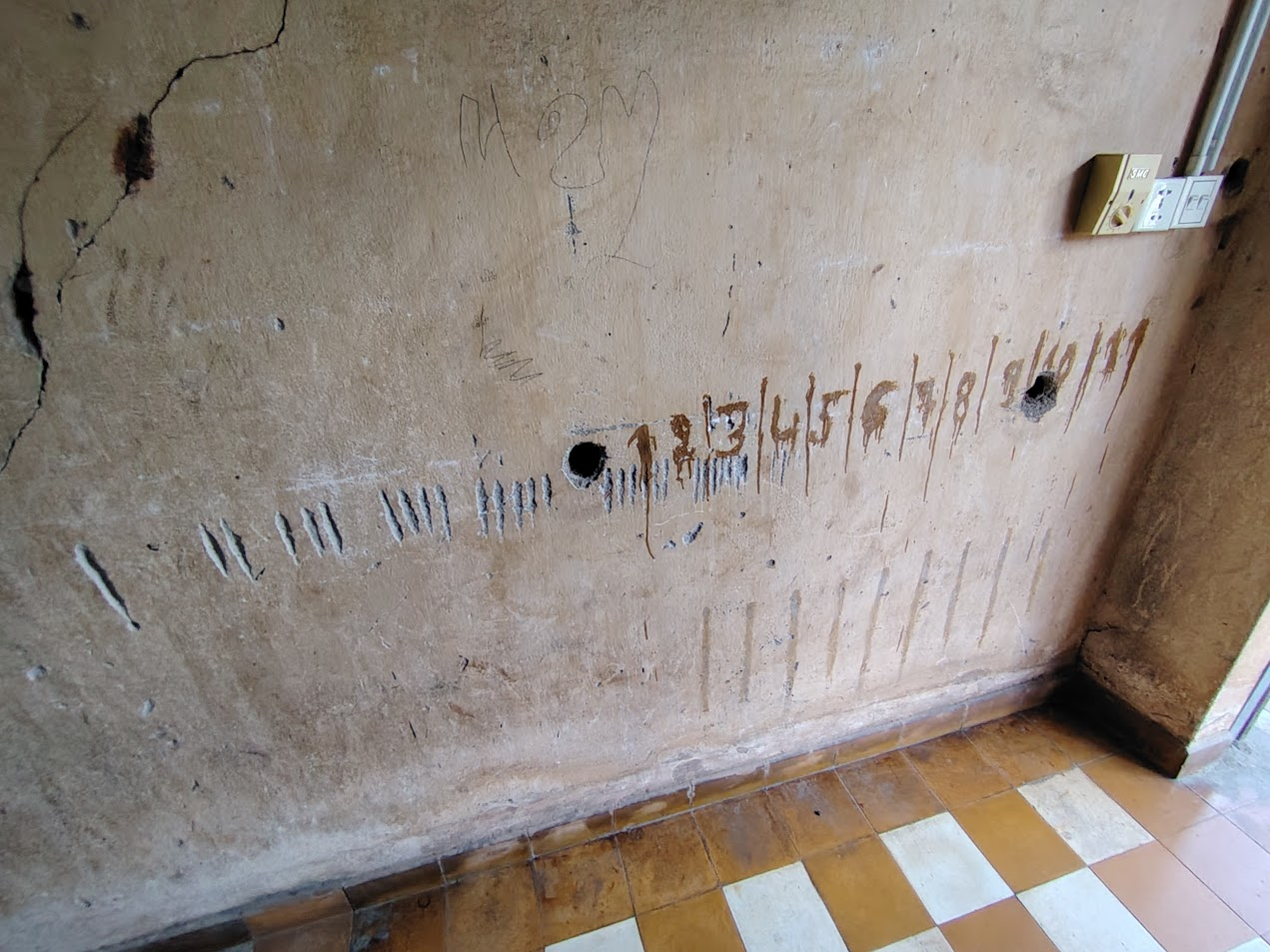
In another building, a brick prison made for harsher detention used to host some notable journalist, politicians, and intellectuals. The wall above shows where they hang the keys to each cell. Notice how they use improper tally format, which later continues using numbers the cell. However it is later continues with numbers. This shows the uneducated origin of the Khmer Rouge guards.
The next day I continue the tour to the Killing Fields
I end the day with stroll around the city. Absorbing the current that Phnom Penh has now transformed into a modern city